
But for others, it might mean doing something truly dangerous, like driving drunk or taking a dive off the roof. Drinking too much can make even the best of us look “sloppy.” That’s because alcohol activates a receptor in the brain called TLR4, which impairs motor function. This can lead to behavior changes like slurred words and stumbling when we are drunk.
- Chronic use of both alcohol and drugs can lead to severe mental health issues, including depression, anxiety, and in severe cases, psychosis.
- The speed at which a person enters into those stages depends on tolerance and the amount consumed.
- Understanding these stages and sensations is the first step to making more informed choices about your relationship with alcohol.
- Older people, people who have little experience drinking, females, and smaller people may have a lower tolerance to alcohol than others.
How to Calculate BAC
When a person begins to consume larger amounts at a faster pace, their body is not able to filter it out as effectively. This may cause them to pass through euphoric and depressive phases rather quickly and enter into more dangerous levels of intoxication. If this pattern of drinking continues for long periods of time, the body is going to adapt to the levels of alcohol consumed. At the same time, the structure and function of nerves within the brain are going to change.

When Drinking Leads to Conflict
- More than half of everyone we polled – regardless of age – told us that drinking alcohol also made them feel depressed at one point or another.
- Long-term excessive drinking can lead to chronic health problems such as liver disease, cardiovascular issues, and mental health disorders.
- As a result, the lessons we learn from getting drunk for the first time are often hard lessons.
Alcohol also stimulates the release of the “feel-good” hormones serotonin and dopamine, and we might feel temporarily happy and euphoric. We can start to feel alcohol’s effects in as little as 10 minutes after drinking. Right after we start drinking, we might feel warm, relaxed, and sociable. As more alcohol gets absorbed into our bloodstream, we might feel off balance; our judgment might become alcoholism symptoms impaired, and it can be harder to do normal tasks. Since our brain releases feel-good hormones, we might also enjoy a sense of pleasure or happiness, but these “positive effects” are short-lived.

Understanding the Role of Therapy in Addiction Recovery
Alcohol poisoning occurs when you drink alcohol faster than your body can process it, leading to a dangerously high concentration in your bloodstream. This isn’t just about feeling very drunk; it’s a life-threatening condition where the body’s basic functions start to shut down. Understanding your limits and what contributes to a high blood alcohol content (BAC) is a key part of safer drinking habits.
Jaundice occurs when the liver is unable to effectively process bilirubin, a yellow pigment produced during the breakdown of red blood cells. Many people mistakenly believe that alcohol can alleviate symptoms of depression and anxiety. While alcohol initially changes the way brain cells what does being drunk feel like signal to each other, creating a temporary sense of relaxation, this effect is short-lived.
Getting Drunk Without Drinking
Studies show a link between increased alcohol consumption and unsafe sex—not to mention that drunk sex is not consensual sex. Individuals with a higher metabolism may eliminate alcohol more efficiently, leading to a faster decrease in BAC and a quicker recovery from intoxication. Conversely, individuals with a slower metabolism may experience a longer-lasting and more intense level of intoxication.
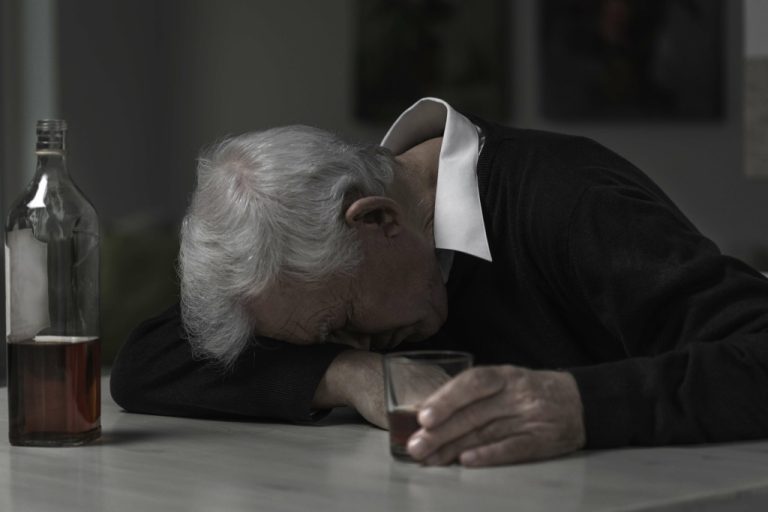
To fully grasp the scope of alcohol’s effects, it helps to look at the data. The statistics surrounding alcohol consumption paint a clear picture of its widespread impact on public health and safety. These numbers aren’t just abstract figures; they represent real people and families affected by the consequences of excessive drinking, from accidents to long-term health decline. The experience of being drunk can be divided into several stages, each characterized by different physical and emotional effects. Understanding these stages can help individuals recognize the signs of intoxication and avoid potential harm. Ever wondered why your friend can have three beers and seem fine, while you feel the effects after just one?